

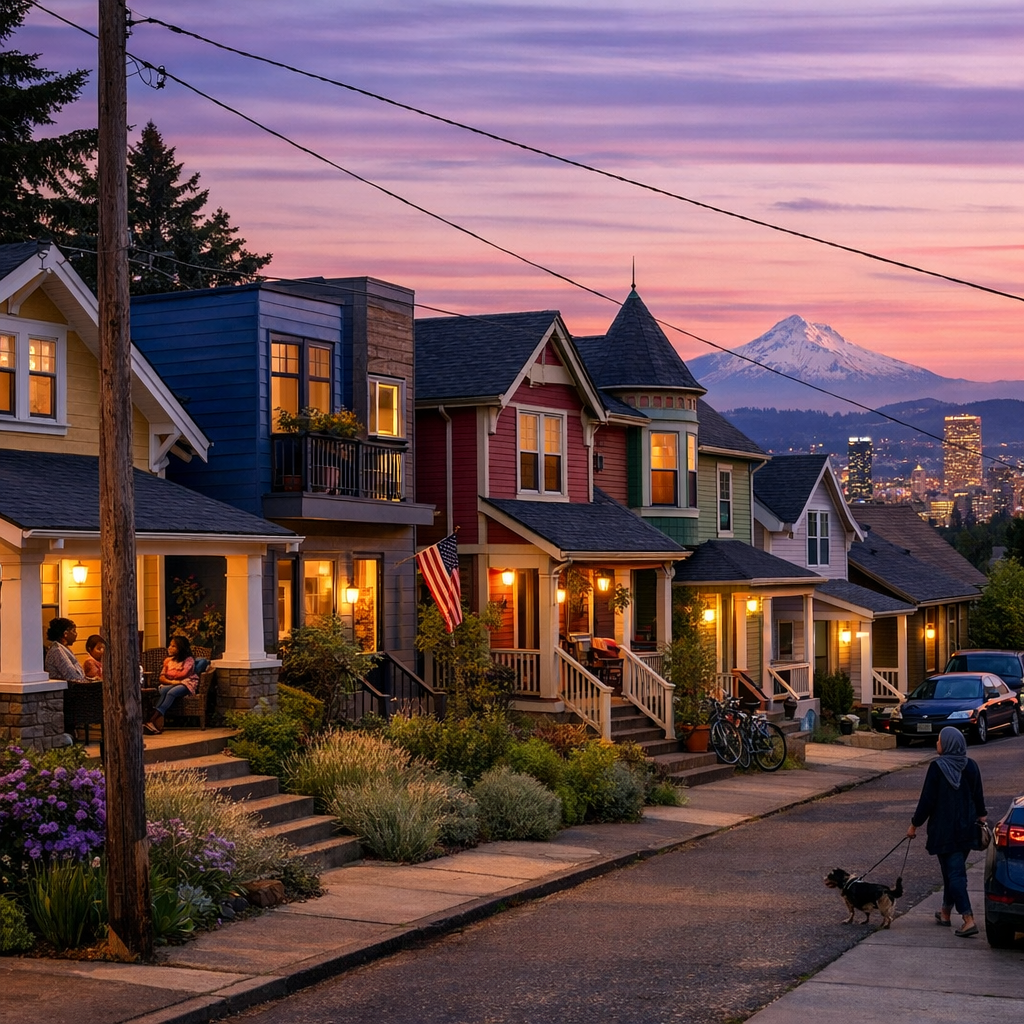
Portland’s skyline may have grown taller and its streets busier, but beneath the buzz of urban change lie stories that don’t make headlines: families stretched thin by rising rents, neighbors unsure if they can stay in the places they love, and folks working multiple jobs just to keep a roof overhead.
When Home Is No Longer Within Reach
I spoke with Maria, a single mom in East Portland, whose hours at work haven’t grabbed up with her rent. The apartment she rents now eats up over half her income. Even launching savings toward a modest home feels like hoping for rain in the desert.
She’s far from alone. The latest city report on housing shows that renters’ incomes remain far behind market pressures. The gap doesn’t just mean stress—it means hard choices about food, medicine, or staying in place. And it’s especially sharp for households of color. Property taxes, insurance, construction costs—they all pile on.
The Invisible Strain of Displacement
Then there’s Tom and Nguyen, two retired folks who raised their family in Northeast neighborhoods, now watching beloved neighbors leave as property values rise. Mom-and-pop shops shutter. Familiar faces thin out. Nguyen worries that the Portland she grew up in—a place of murals, block parties, intimate bookstores—is slipping away.
Displacement isn’t always dramatic—but it’s real. Old homes torn down. Rent burden increasing. Communities fragmenting when longtime residents have to move to the edges of town. The ties people have built over years—at schools, churches, street blocks—fracture.
Rooted Solutions from Local Voices
If we want solutions that don’t just patch over but heal, they must start here:
- Preserve existing affordable homes. It’s not enough to build new units—protect the ones we already have. Support public, non-profit, co-op ownership so affordability doesn’t evaporate as contracts expire.
- Policy gusto with equity front and center. Expand eligibility for housing programs focused on folks displaced by past planning decisions. Invest in neighborhoods historically underserved—East Portland, N/NE—and listen to residents’ needs.
- Wraparound support matters. Affordable isn’t just a price point—it’s about access to transit, healthcare, schools, green space. It’s about mental health services and outreach before people are pushed to the brink.
- Everyone belongs in shaping the story. Meaningful engagement—especially of BIPOC and long-excluded communities—isn’t optional. When people speak, we learn. When people lead, we build together.
Closing Thoughts
Growing up in Portland, I thought belonging meant having my favorite bakery on the corner, my neighbors at our street potlucks, and the laughter of kids in blocks I roamed. I believe that’s still possible—for everyone.
Our city is changing—for good and ill. These stories are the roots: if we want Portland to flourish—not just survive—we have to water what community truly means.