

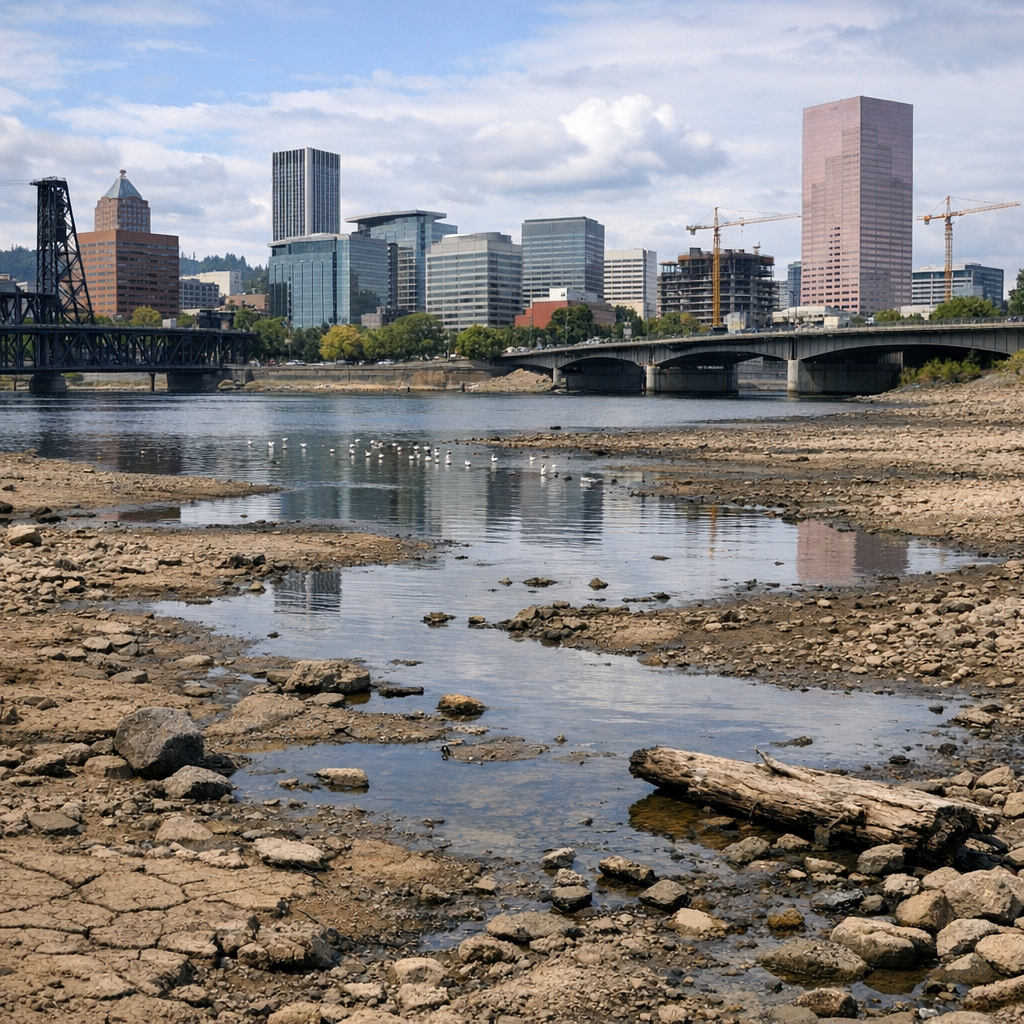
Portland, Oregon, renowned for its lush greenery and temperate climate, is experiencing notable shifts in weather patterns due to climate change. These changes have significant implications for our environment, economy, and daily lives.
Warming Temperatures and Extended Growing Seasons
Over the past several decades, Portland has seen a steady increase in average temperatures. This warming trend has led to longer growing seasons, with the freeze-free period extending by approximately 30 days since 1970. While this may benefit certain agricultural activities, it also means prolonged allergy seasons as plants produce pollen for extended periods. Residents have reported heightened allergy symptoms, correlating with these extended seasons.
Declining Snowpack and Water Resources
Historically, Oregon’s snowpack has served as a natural reservoir, gradually releasing water during the warmer months. However, recent years have witnessed alarmingly low snowpack levels. For instance, in early 2026, the state’s snowpack was about 30% of normal, nearly matching record lows. This decline poses challenges for water availability, affecting agriculture, hydropower, and increasing the risk of summer droughts and wildfires.
Increased Frequency of Extreme Heat Events
Portland is experiencing more frequent and intense heatwaves. Data indicates that the city now encounters approximately two additional extreme heat streaks per year compared to 1970. These events not only strain public health systems but also exacerbate urban heat island effects, where built-up areas become significantly warmer than their rural surroundings.
Impacts on Native Fish Populations
Our native fish species, including salmon and trout, are under threat due to warmer river temperatures and reduced water flows. The combination of low snowpack and drought conditions has led to rivers running lower and warmer earlier in the year, disrupting spawning cycles and increasing mortality rates among these species.
Community Adaptation and Resilience
In response to these challenges, local agencies and organizations are implementing strategies to enhance Portland’s resilience. The Portland Water Bureau, for example, is investing in infrastructure to secure a reliable water supply amidst changing conditions. Additionally, efforts are underway to increase urban green spaces, which can mitigate heat island effects and improve air quality.
As residents, staying informed and engaged is crucial. Participating in community discussions, supporting sustainable practices, and advocating for climate-conscious policies can collectively contribute to a more resilient Portland.